
Dialogues about Dying
Cultural competence, communication and conflict resolution in palliative and end-of-life care
A two-part training programme built on Arabella Tresilian’s Churchill Fellowship research and her practice as a health and care mediator. The full programme is a half-day (about 3 hours, including a break). It can be shortened to fit what your team needs.
Who it is for: healthcare professionals working in adult or children’s palliative and end-of-life care, in hospital, hospice or community settings, who want to build their skills in cultural competence, communication, and preventing and resolving conflict with patients and families.
| Format options | Length | Content |
|---|---|---|
| Full programme | Half-day, about 3 hours | Both parts, with a break, practice and discussion |
| Two sessions | 2 x 1 hour | Each part on its own; can run on different days |
| Single session | 1 hour | Either part alone, or both condensed into two 30-minute halves |
Every session is interactive and is tailored to the setting, the team and the families they work with, using case studies drawn from adult or paediatric practice as needed. It can be delivered in person or online.
About the trainer
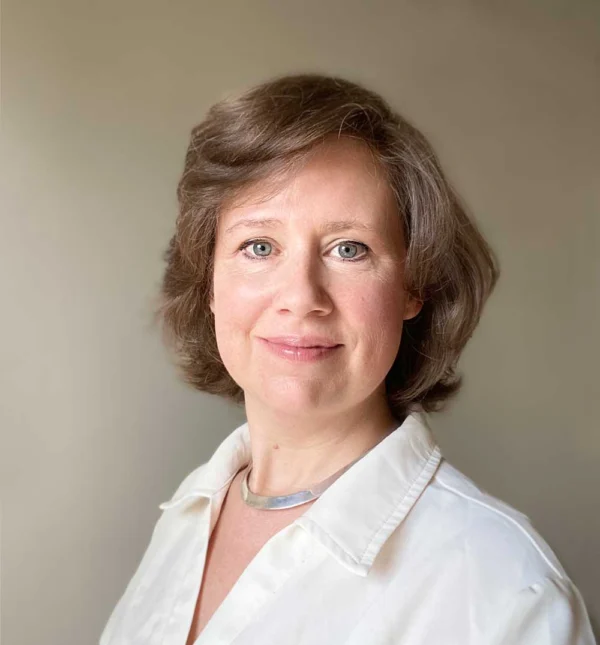
Arabella Tresilian is the founder of Health and Care Mediation. She has been a CEDR-accredited mediator since 2017 and is a CEDR-accredited trainer, registered with the Civil Mediation Council and the International Mediation Institute. She mediates disputes in health and social care, including end-of-life, paediatric and Court of Protection cases, and works with teams up to board level.
As a Churchill Fellow, supported by Marie Curie, she researched how healthcare professionals in culturally diverse settings handle conversations about dying. Her report, Dialogues About Dying (2026), sets out the 6Rs framework on which Part 1 is based. Her work has featured in the Financial Times, on BBC Radio 4’s Inside Health, and with NHS England and the King’s Fund.